

Professionals working in marine interior design continue to influence cabin standards and materials on modern vessels. Insights from specialists featured here show that the choice of boat cabin ceiling materials significantly impacts durability, comfort, and overall aesthetics.
In the past, cabin ceilings were often considered purely functional, but modern trends show that they are now a key element of vessel design, blending style with practical performance.
Why Boat Cabin Ceiling Matters in Modern Vessels
The importance of the boat cabin ceiling extends beyond visual appeal. In recent marine industry discussions, specialists have emphasized that ceilings contribute to insulation, noise reduction, and moisture management. As boats are increasingly used for extended trips and luxury experiences, these factors directly impact passenger comfort.
Additionally, the ceiling can influence safety. Properly installed materials can prevent moisture-related issues, mold growth, and even structural problems in certain hull designs. For this reason, professionals now recommend careful selection and maintenance of boat cabin ceiling components.
Popular Materials for Boat Cabin Ceilings
Several materials dominate the marine interior market, each offering unique benefits and challenges:
- Marine-grade plywood is widely appreciated for its structural strength and ease of customization. When properly treated, it resists warping and moisture damage.
- Fiberglass panels provide excellent durability and low maintenance. They are particularly suited to high-moisture environments and can be molded to match curved ceiling designs.
- PVC and vinyl laminates are favored for their lightweight nature, ease of cleaning, and resistance to stains and mildew. However, their lifespan may be shorter than composite alternatives.
Each material must balance aesthetic appeal with practical performance, especially in recreational versus commercial vessels.
Design Considerations and Aesthetic Trends
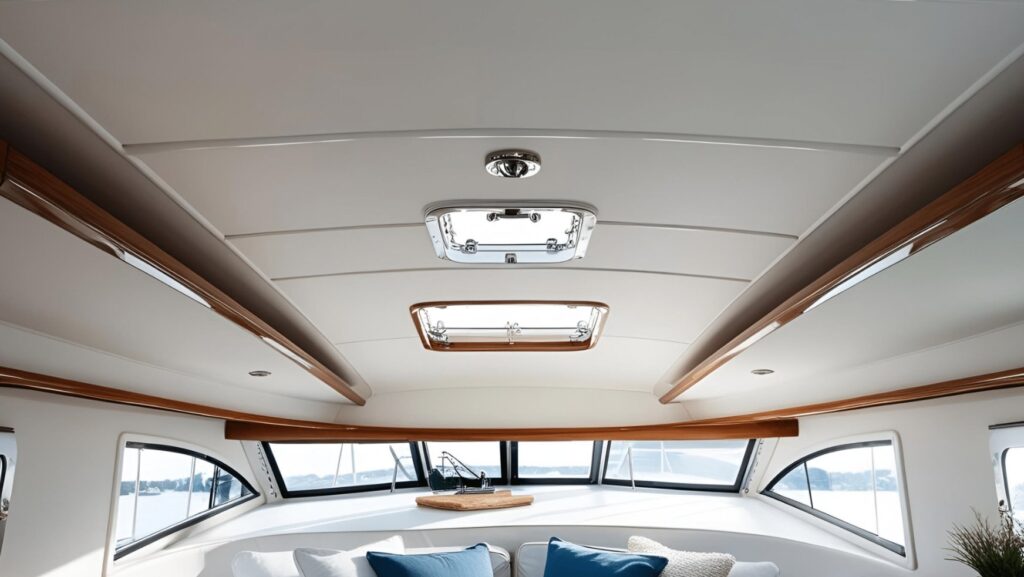
Modern boat cabin ceiling designs are increasingly focused on enhancing interior style without sacrificing functionality. For instance, subtle color palettes can make a small cabin feel more spacious, while carefully integrated lighting can create a luxurious ambiance.
Wood finishes remain popular, but innovations in laminates and composites allow for more intricate textures and patterns. Professionals suggest combining materials to optimize both appearance and performance. For example, a structural panel may be overlaid with a decorative laminate, providing durability while maintaining a premium look.
Insulation and Comfort Benefits
Boat cabin ceiling materials are not just decorative—they also play a vital role in regulating temperature and sound inside the vessel. High-quality insulation installed above or within ceiling panels helps maintain cabin warmth during cold nights and prevents excessive heat build-up during summer days.
Moreover, noise reduction is another critical factor. Materials that absorb sound reduce engine and water noise, improving passenger experience. According to industry news, this is especially valued on smaller boats, where engine sounds can dominate cabin areas.
Maintenance and Longevity
Proper maintenance is essential for extending the life of any boat cabin ceiling. Regular inspection for water damage, mold, or sagging panels helps prevent costly repairs. Additionally, surfaces should be cleaned with marine-safe products to avoid chemical damage.
For long-term durability, professionals often recommend treating wooden ceilings with sealants and keeping fiberglass and laminate surfaces free of scratches and UV exposure. These steps can significantly enhance the lifespan and appearance of the ceiling.
Environmental and Sustainability Trends
Sustainability is increasingly influencing material selection in marine interiors. Recycled composites, low-VOC laminates, and responsibly sourced woods are becoming more common. While performance remains the priority, eco-conscious boat owners are showing interest in materials that reduce environmental impact without compromising durability or aesthetics.
Manufacturers and designers are responding by testing alternative materials and reporting on their real-world performance, ensuring that sustainability does not come at the cost of functionality.
Commercial vs. Recreational Applications
Boat cabin ceiling requirements differ depending on vessel usage. Recreational boats often prioritize style, lightweight construction, and easy maintenance. In contrast, commercial vessels demand materials that can withstand constant use, frequent cleaning, and exposure to harsher conditions.
Understanding these differences helps owners make informed decisions about ceiling materials, ensuring the right balance between cost, durability, and design.
Future Trends in Boat Cabin Ceiling Design
Looking forward, innovation in boat cabin ceiling design is expected to continue. Hybrid materials combining insulation, noise reduction, and decorative finishes are likely to become standard. Additionally, modular panels may simplify installation and replacement, reducing maintenance costs and downtime.
As technology evolves, professionals will increasingly use digital modeling to predict performance under varying environmental conditions, making ceilings safer, more durable, and visually appealing.
Conclusion
The focus on boat cabin ceiling materials reflects broader changes in the marine industry. Beyond aesthetics, ceilings contribute to comfort, safety, and overall vessel performance. By staying informed about material choices, owners and designers can make decisions that improve both the passenger experience and the longevity of their vessels.
Understanding the latest trends, maintenance strategies, and sustainability options ensures that modern boat cabins are functional, stylish, and enduring.